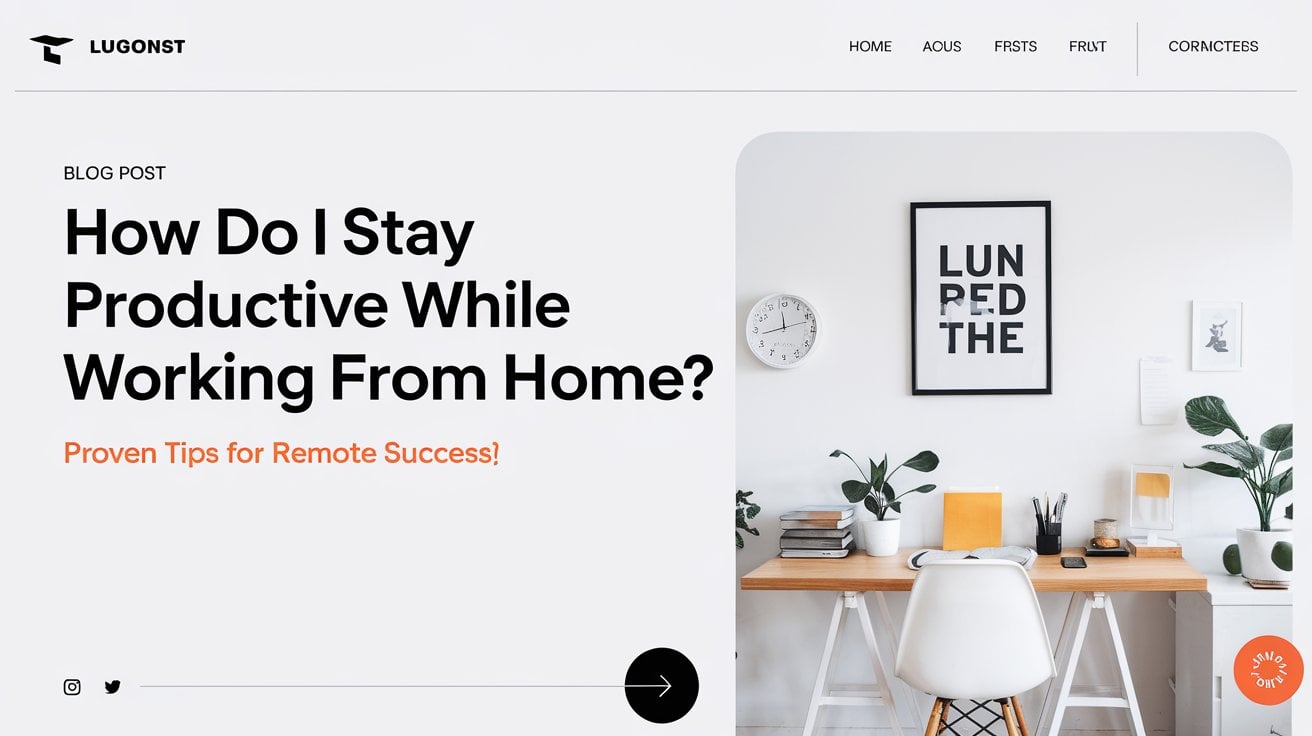
How Do I Stay Productive While Working from Home? Proven Tips for Remote Success
Working from home offers flexibility, comfort, and time savings, but it also comes with unique challenges. Distractions, blurred work-life boundaries, and lack of structure can reduce productivity. This guide provides actionable strategies, routines, and tools to help you stay focused, efficient, and motivated while working remotely.
Creating a Dedicated Workspace for Productivity
A dedicated workspace signals to your brain that it’s time to work, separating professional responsibilities from personal life.
Key Strategies:
- Choose a quiet, well-lit area.
- Invest in an ergonomic chair and desk.
- Minimize clutter and distractions.
A productive workspace improves focus and supports long-term mental well-being.
Establishing a Consistent Daily Routine
Consistency reduces decision fatigue and helps you stay focused.
Effective Practices:
- Set regular start and end times.
- Establish a morning ritual like exercise or journaling.
- Schedule breaks and meal times to maintain energy.
Setting Clear Goals and Priorities
Goals provide direction and motivation.
Implementation Tips:
- Define daily and weekly goals.
- Use tools like the Eisenhower Matrix to prioritize.
- Track progress using Trello, Asana, or Notion.
Time Management Techniques for Remote Work
Structured time management reduces stress and enhances efficiency.
Proven Techniques:
- Use the Pomodoro Technique (25 minutes work / 5 minutes break).
- Block time for specific tasks.
- Focus on one task at a time.
Minimizing Digital Distractions
Digital interruptions are major productivity killers.
Ways to Minimize:
- Turn off non-essential notifications.
- Use website blockers like Freedom or Cold Turkey.
- Set focus hours and communicate them to others.
Leveraging Productivity Tools and Technology
Right tools streamline tasks and improve collaboration.
Recommended Tools:
- Slack, Microsoft Teams, or Zoom for communication.
- Trello, Asana, or Notion for task management.
- Zapier or IFTTT to automate repetitive tasks.
Practicing Self-Discipline and Motivation
Remote work requires strong self-discipline.
Strategies:
- Stick to start and end times.
- Reward yourself after completing tasks.
- Break large tasks into smaller steps to avoid procrastination.
Balancing Work and Personal Life
Maintaining boundaries prevents burnout.
Balancing Tips:
- Set clear work boundaries with family or roommates.
- Allocate time for hobbies, exercise, and relaxation.
- Disconnect from work after hours.
Taking Breaks and Avoiding Burnout
Regular breaks refresh your mind and body.
Best Practices:
- Step away every 50–60 minutes.
- Stretch, walk, or do light exercises.
- Practice mindfulness or meditation.
Continuous Improvement and Productivity Tracking
Tracking performance helps identify bottlenecks.
Actionable Steps:
- Reflect on accomplishments daily and weekly.
- Experiment with new productivity methods.
- Monitor time spent on tasks to optimize workflow.
Prioritizing Mental Health for Remote Productivity
Mental well-being directly affects productivity.
Key Practices:
- Schedule time for stress-relieving activities.
- Maintain social connections with colleagues or friends.
- Seek professional help if feeling overwhelmed.
Leveraging Accountability Partners
Accountability keeps you motivated and on track.
Ways to Implement:
- Pair with a colleague for mutual goal tracking.
- Share progress updates via apps or weekly check-ins.
- Celebrate achievements together to reinforce habits.
Optimizing Communication with Remote Teams
Effective communication prevents misunderstandings and delays.
Tips:
- Use clear, concise messages in emails and chat.
- Schedule regular video or voice check-ins.
- Set expectations for response times.
Managing Household Responsibilities
Balancing home and work duties can be challenging.
Strategies:
- Create a daily schedule separating work and chores.
- Delegate tasks to family members when possible.
- Use tools like timers to allocate focused work blocks.
Setting Realistic Expectations
Overloading yourself reduces productivity.
Tips:
- Be honest about what you can accomplish daily.
- Communicate limitations to your team.
- Adjust goals when necessary to prevent burnout.
Using Music and Ambient Sound to Boost Focus
Background sound can enhance concentration.
Methods:
- Use instrumental music or white noise apps.
- Experiment with productivity playlists.
- Avoid distracting lyrics or overly stimulating tracks.
Maintaining Physical Health
A healthy body supports a productive mind.
Actions:
- Incorporate daily exercise or stretching routines.
- Stay hydrated and maintain proper nutrition.
- Ensure adequate sleep to maximize energy.
Conclusion
Working from home offers flexibility, but it requires discipline, organization, and intentional habits. By implementing these strategies—creating a dedicated workspace, establishing routines, minimizing distractions, leveraging tools, maintaining mental and physical health, and setting realistic goals—you can stay productive and thrive in a remote work environment.
Call-to-Action: Start implementing one or two strategies today, such as setting up your workspace or scheduling a focused work block. Small consistent improvements will lead to sustainable remote productivity.